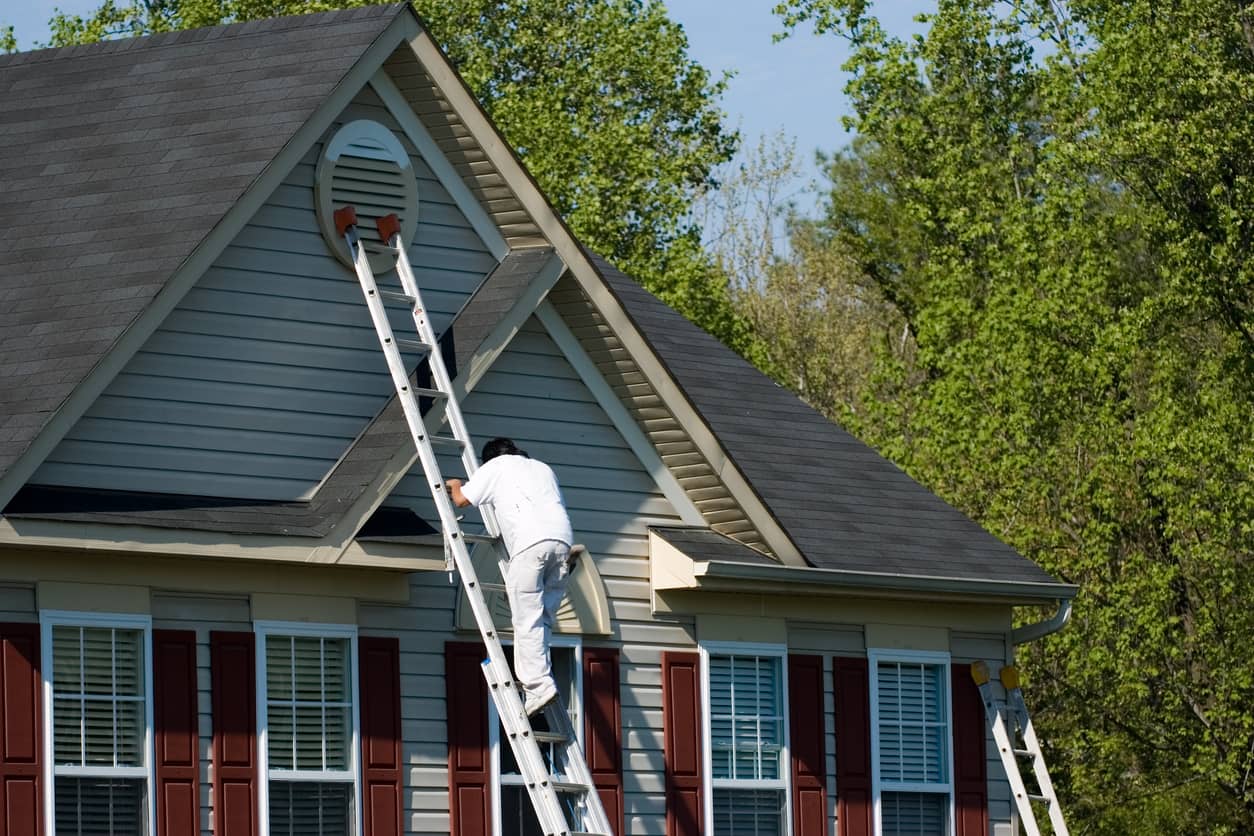
A professional roof inspection gives you a clear, honest look at the condition of your roof before small problems turn into expensive repairs. In Colorado, that matters. Between hail, heavy snow, high-altitude UV exposure, wind, and freeze-thaw cycles, roofs take a serious beating throughout the year.
But if you have never had a roof inspection before, you may not know what actually happens during the appointment.
A good roof inspection is not just a quick glance from the driveway. It should include a detailed review of the roofing materials, flashing, seals, gutters, drainage, attic ventilation, structural concerns, and signs of storm damage. The goal is simple: identify what is working, what is wearing down, and what needs attention before the roof fails.
At Re-Store Roofing & Painting, we provide thorough roof inspections for Colorado Springs homes and businesses backed by more than 20 years of local roofing experience. We look at the full roofing system, explain what we find, and give you honest next-step recommendations without pushing repairs or replacements you do not need.
Professional Roof Inspection: Quick Overview
- A roof inspection checks the full roofing system, including shingles, flashing, seals, gutters, drainage, ventilation, and structural concerns.
- Damage is not always visible from the ground, especially after hail, wind, or repeated freeze-thaw cycles.
- Inspectors look for both active problems and early warning signs, including missing shingles, granule loss, leaks, soft spots, moisture, and failing seals.
- Attic ventilation matters because poor airflow and trapped moisture can shorten the life of a roof.
- Storm damage documentation can help if you need to file an insurance claim after hail or wind damage.
- A professional inspection should end with clear recommendations, including whether your roof needs repair, replacement, maintenance, or no immediate action.
- In Colorado, regular inspections are smart maintenance because weather conditions can age roofing systems faster than many property owners expect.
Why Roof Inspections Matter in Colorado
Colorado roofs deal with a lot in a typical year. Hail season can damage shingles and roof vents. Snow can add weight and moisture. Wind can lift or loosen materials. Intense sun exposure can dry out shingles and weaken protective layers. Freeze-thaw cycles can make small gaps and cracks worse over time.
That combination makes regular roof inspections especially important for Colorado homes and businesses.
A roof may look fine from the ground while still having problems that need attention. Hail bruising, cracked seals, loose flashing, pipe boot failures, granule loss, and early moisture issues are not always obvious until someone gets a closer look.
By the time water stains show up on a ceiling, the roof issue may already be advanced. A professional inspection helps catch those problems earlier, when they are usually easier and less expensive to address.
When Should You Schedule a Roof Inspection?
There are a few times when a roof inspection makes especially good sense.
You should consider scheduling a professional roof inspection:
- After a major hailstorm or windstorm
- Before buying or selling a property
- If your roof is nearing 15 to 20 years old
- If you notice missing shingles, leaks, or water stains
- After heavy snow or visible ice buildup
- Before filing an insurance claim for storm damage
- If you see granules collecting in gutters or near downspouts
- Before starting major exterior work on your property
- As part of regular preventative maintenance
For Colorado property owners, an annual or routine inspection can be a smart way to stay ahead of weather-related roof damage. It gives you a baseline for the roof’s condition and helps you avoid guessing after the next storm rolls through.
Step 1: The Inspection Starts With a Conversation
A professional roof inspection usually begins with a few questions. This helps the roofing contractor understand why you scheduled the inspection and what concerns you already have.
They may ask:
- Have you noticed any leaks?
- Did your property recently go through a hailstorm?
- Are there missing shingles or visible damage?
- How old is the roof?
- Have repairs been made before?
- Are you preparing to buy, sell, or refinance?
- Have you noticed stains, moisture, or drafts inside?
This part matters because it gives context. A roof inspection after a hailstorm may focus heavily on impact damage. An inspection for an older roof may focus more on wear, granule loss, brittle shingles, ventilation, and whether repairs still make sense.
The more information you can provide, the better. Even small details can help point the inspector toward areas that need closer attention.
Step 2: Exterior and Ground-Level Review
Before getting on the roof, the inspector may start with a ground-level review of the property. This gives them a broad look at the roofline, drainage patterns, gutters, siding, fascia, and visible problem areas.
From the ground, they may look for:
- Sagging or uneven rooflines
- Missing or lifted shingles
- Debris on the roof
- Damaged gutters or downspouts
- Loose fascia or soffit areas
- Water stains on siding
- Tree branches touching the roof
- Signs of poor drainage
- Visible storm impact on vents, flashing, or soft metal
This step does not replace a full roof inspection, but it helps identify obvious issues before the closer review begins.
It can also reveal related exterior problems. For example, poor drainage from clogged or damaged gutters can push water into places it should not go. Over time, that can affect the roofline, fascia, siding, foundation, and exterior paint.
Step 3: Shingles and Roofing Materials Are Checked
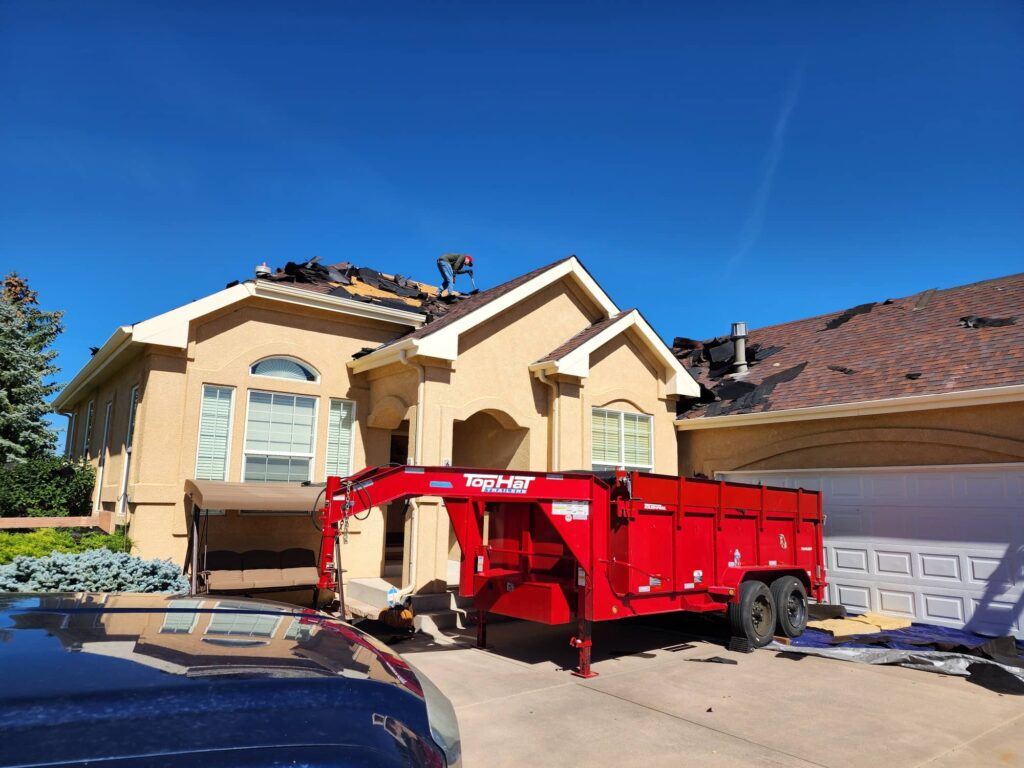
Once the roof surface is inspected, the roofing materials get a close look. For asphalt shingle roofs, this is one of the most important parts of the inspection.
The inspector will look for signs like:
- Missing shingles
- Cracked shingles
- Curling or cupping shingles
- Loose or lifted shingles
- Granule loss
- Exposed fiberglass matting
- Blistering
- Hail bruising
- Wind damage
- Uneven wear between roof slopes
- Signs of poor installation
- Areas where shingles are no longer sealing properly
Granule loss is especially important. Asphalt shingles rely on granules to help protect against sun exposure and weather. When granules wear away, shingles become more vulnerable to UV damage and water penetration.
In Colorado, south- and west-facing slopes may show more wear because they take more direct sunlight. After hail, inspectors may also compare different roof slopes to see where impact damage is most concentrated.
Step 4: Flashing, Seals, and Roof Penetrations Are Inspected
Some of the most common roof leaks do not come from the middle of a shingle field. They come from the areas where something interrupts the roof surface.
That includes:
- Chimneys
- Skylights
- Plumbing vents
- Roof vents
- Exhaust vents
- Satellite or equipment mounts
- Valleys
- Wall transitions
- Dormers
- Pipe boots
During a professional inspection, these areas should be reviewed carefully. Flashing and seals are designed to keep water out of vulnerable transition points. When they fail, water can work its way into the roofing system even if the shingles around them still look fine.
Common issues include cracked pipe boots, separated caulking, loose flashing, rusted metal, lifted edges, and improper sealing around penetrations.
In many cases, these problems can be repaired if they are caught early. Left alone, they can lead to interior leaks, damaged decking, insulation problems, and drywall damage.
Step 5: Roof Valleys and Drainage Areas Are Reviewed
Roof valleys are the areas where two roof slopes meet. They carry a lot of water during rain, snowmelt, and storms, which makes them one of the most important areas to inspect.
An inspector will look for:
- Worn shingles in valleys
- Debris buildup
- Granule loss
- Poor water flow
- Signs of past leaks
- Loose or damaged valley flashing
- Areas where water may be backing up
Drainage matters because water should move off the roof efficiently. If water sits too long or flows into weak areas, the roof is more likely to develop leaks.
This is also where gutters and downspouts come into play. A roof inspection often includes checking whether gutters are clogged, pulling away, damaged, or failing to move water away from the property.
Step 6: Gutters and Downspouts Are Checked
Gutters may not technically be the roof covering, but they are part of the roof’s drainage system. When gutters do not work properly, water can cause problems along the roof edge, fascia, siding, foundation, and landscaping.
During an inspection, gutters may be checked for:
- Clogs or debris buildup
- Granules from worn shingles
- Sagging sections
- Leaks at seams
- Improper slope
- Detached hangers
- Damaged downspouts
- Water overflow marks
- Poor drainage away from the foundation
Granules in gutters are worth paying attention to. Some granule shedding is normal, especially on newer shingles, but heavy granule buildup can be a sign that the roof surface is wearing down.
Step 7: Attic Ventilation and Moisture Are Evaluated
A complete roof inspection should not stop at the exterior. The attic can reveal problems that are not visible from the roof surface.
Inside the attic, an inspector may look for:
- Water stains
- Damp insulation
- Mold or mildew concerns
- Rusted nails
- Daylight showing through roof decking
- Poor ventilation
- Heat buildup
- Moisture buildup
- Sagging decking
- Signs of past or active leaks
Ventilation is a big deal. Poor attic ventilation can trap heat and moisture, which can shorten the lifespan of the roof and create problems with insulation, decking, and indoor comfort.
In winter, poor ventilation can also contribute to uneven snowmelt and ice-related issues. In summer, excess heat can bake the underside of the roof deck and speed up material wear.
A roof is a system. The outside matters, but what is happening underneath matters too.
Step 8: Structural Concerns Are Identified
During the inspection, the contractor will also look for signs that the roof structure itself may be compromised.
This may include:
- Sagging rooflines
- Soft spots
- Rotted decking
- Water-damaged sheathing
- Damaged rafters
- Uneven surfaces
- Signs of long-term moisture exposure
- Areas that feel unstable underfoot
Structural issues are more serious than surface wear. A few missing shingles may be a straightforward repair. Soft decking or sagging areas can indicate that moisture has been getting into the roof system for a while.
If structural damage is found, the next recommendation may involve more than a basic repair. The inspector should explain what they found, why it matters, and what options make sense.
Step 9: Storm and Hail Damage Are Documented
In Colorado, storm damage is one of the biggest reasons property owners schedule roof inspections. Hail and wind can create damage that is not easy to identify from the ground.
During a storm damage inspection, the roofer may look for:
- Hail bruising on shingles
- Cracked or fractured shingles
- Missing granules from impact
- Damaged vents or soft metals
- Dented flashing
- Lifted or creased shingles from wind
- Broken seals
- Damage patterns across different slopes
- Collateral damage to gutters, siding, or exterior surfaces
Documentation matters. If storm damage is found, photos and notes can help support an insurance claim and give you a clearer understanding of what happened.
A good inspection should not just say, “You have damage.” It should show where the damage is, explain how severe it is, and help you understand what the next step should be.
Step 10: You Get Clear Findings and Next Steps
At the end of the inspection, the most important thing you should receive is clarity.
The contractor should explain:
- What condition your roof is in
- Whether any damage was found
- Whether the damage is minor, moderate, or serious
- Whether repair is enough
- Whether replacement should be considered
- Whether maintenance is recommended
- Whether storm documentation may be needed
- What should be handled now vs. what can be monitored
This is where honesty matters.
Not every roof needs replacement. Not every issue can be safely ignored. The right recommendation should be based on the actual condition of the roof, not a sales pitch.
At Re-Store Roofing & Painting, we believe property owners deserve straight answers. If a repair is enough, we will say so. If the roof is too damaged or too worn for repairs to make sense, we will explain why.
What Should You Do Before a Roof Inspection?
You do not need to do much before a professional roof inspection, but a little preparation can help the appointment go smoothly.
Before the inspector arrives, you can:
- Make note of any leaks or water stains
- Take photos of visible damage from the ground
- Clear access to the attic if needed
- Move vehicles out of the driveway if roof access is needed
- Gather any roof warranty or insurance information
- Write down questions you want answered
- Mention any recent hail or wind events
You should not climb onto the roof yourself. Roof inspections are best left to professionals with the right equipment, experience, and safety practices.
How Long Does a Professional Roof Inspection Take?
Most standard residential roof inspections can be completed in less than a few hours, depending on the size, slope, accessibility, and condition of the roof. Larger homes, commercial properties, steep roofs, storm damage inspections, and more complex roofing systems may take longer.
The goal is not speed. The goal is accuracy.
A fast inspection that misses key issues is not helpful. A thorough inspection gives you confidence in your next decision, whether that is a simple repair, ongoing monitoring, storm documentation, or a full roof replacement.
Roof Inspection vs. Roof Estimate: What Is the Difference?
A roof inspection and a roof estimate are related, but they are not always the same thing. A roof inspection evaluates the condition of the roof. It identifies problems, wear, storm damage, drainage issues, ventilation concerns, and potential repair or replacement needs.
A roof estimate focuses on the cost of a specific project, such as repairing flashing, replacing shingles, or installing a new roof.
In many cases, the inspection comes first. Once the condition of the roof is clear, the contractor can provide a more accurate estimate for the work that actually needs to be done.
That order matters. You do not want a quote based on assumptions. You want recommendations based on what is really happening on the roof.
Why an Honest Inspection Matters
The biggest value of a professional roof inspection is not just finding problems. It is getting an honest answer about what those problems mean.
A trustworthy inspection helps you avoid two bad outcomes:
- Ignoring damage that should be fixed
- Paying for work you do not actually need
That is especially important after storms, when homeowners may feel pressured or unsure about what to do next. A good contractor should slow the process down, explain the findings, and help you make a practical decision.
Re-Store Roofing & Painting is locally owned and operated, with more than 20 years of experience serving Colorado Springs and the surrounding area. We know how Colorado weather affects roofing systems, and we know how to identify the difference between minor wear, repairable damage, and roof conditions that may call for replacement.
Schedule a Professional Roof Inspection in Colorado
A professional roof inspection gives you answers before roof problems get worse. Whether you are dealing with recent hail damage, an aging roof, a possible leak, or general maintenance concerns, having your roof checked by an experienced local contractor is a smart step.
Re-Store Roofing & Painting provides thorough roof inspections for Colorado Springs homes and businesses. Our team checks the full roofing system, documents what we find, and gives you honest recommendations based on the actual condition of your property.
No pressure. No unnecessary upsells. Just clear answers from a local team with more than 20 years of roofing experience.
Contact Re-Store Roofing & Painting today to schedule your professional roof inspection in Colorado Springs.