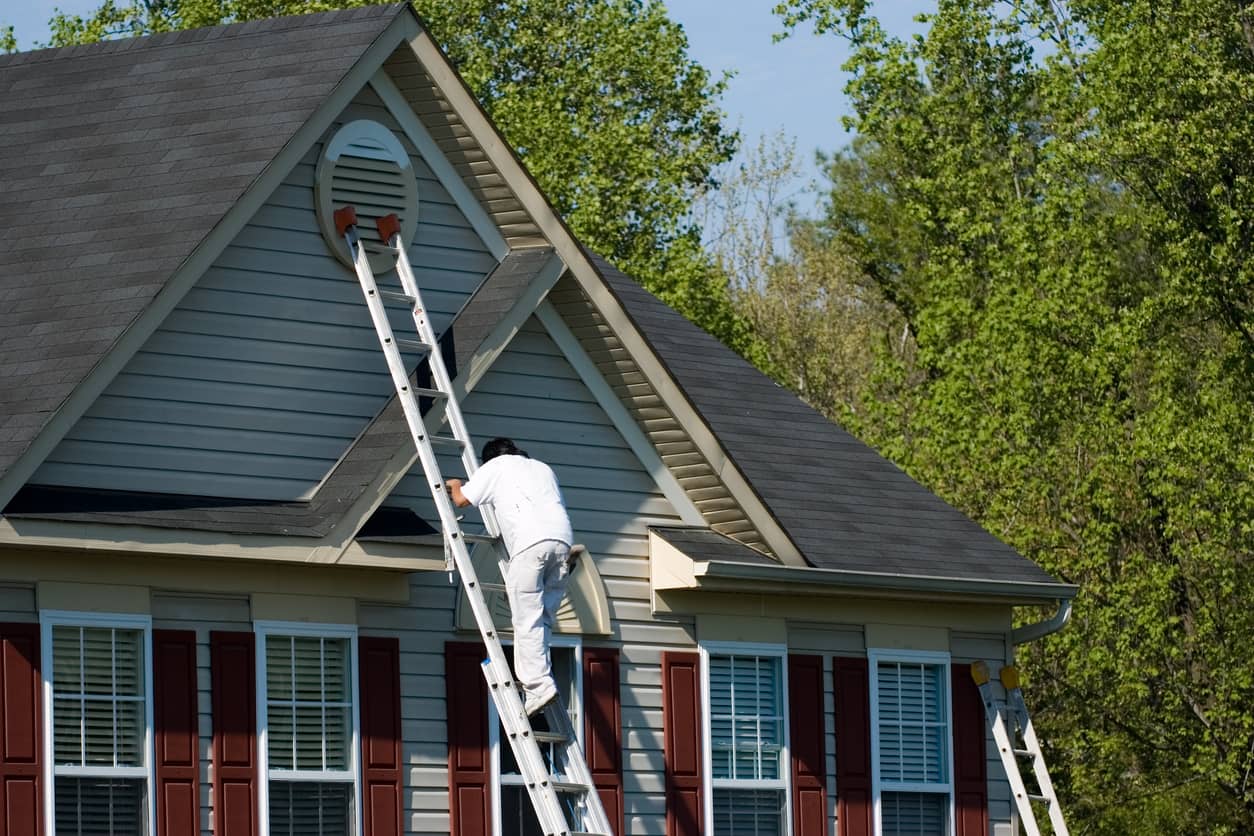
Exterior paint in Colorado usually lasts 5 to 10 years, but that range depends heavily on the surface material, paint quality, prep work, sun exposure, and how much weather the property takes on each year. In Colorado’s climate, wood surfaces may show wear closer to the 5 to 7 year range, while stucco and fiber cement can often last closer to 7 to 10 years when properly prepped and painted.
That is the general answer. The honest answer is a little more specific.
A well-prepped exterior paint job using quality materials will almost always outlast a rushed job using cheaper products. In Colorado, that matters. High-altitude UV exposure, winter snow, spring and summer storms, wind, hail, and major temperature swings can all shorten the life of an exterior coating.
At Re-Store Roofing & Painting, we have spent more than 20 years helping Colorado home and business owners protect and restore their properties. Exterior paint is not just about curb appeal. It is one of the first lines of defense your property has against moisture, sun exposure, and surface deterioration.
Key Takeaways
- Most exterior paint jobs in Colorado last 5 to 10 years, depending on materials, prep, and exposure.
- Wood siding and trim usually need attention sooner because wood expands, contracts, and absorbs moisture more easily.
- Stucco and fiber cement can often last longer when cracks are repaired and the right coating is used.
- South- and west-facing walls wear faster because they receive more direct sun exposure.
- Prep work matters as much as paint quality because poor adhesion leads to peeling, cracking, and early failure.
- Colorado weather can shorten paint lifespan due to UV exposure, wind, hail, moisture, snow, and freeze-thaw cycles.
- Failing paint should not be ignored because exposed surfaces can become vulnerable to moisture intrusion, wood rot, and more expensive repairs.
The Average Lifespan of Exterior Paint in Colorado
For most homes and businesses in Colorado, a quality exterior paint job should last somewhere between 5 and 10 years. That does not mean every wall, trim board, or siding material will age at the same pace. Some surfaces take more abuse than others.
A good general breakdown looks like this:
- Wood siding and trim: about 5 to 7 years
- Stucco: about 7 to 10 years
- Fiber cement siding: about 7 to 10 years or longer with quality prep and coatings
- Painted brick or masonry: often longer, depending on the product and condition of the surface
- South- and west-facing walls: often wear faster because of direct UV exposure
Exterior paint on wood siding can last anywhere in the 5 to 8 year range and stucco or fiber cement closer to 7 to 10 years, with premium materials and proper prep helping extend the life of the paint job.
These are only ranges. The actual lifespan depends on the condition of the surface, the previous paint job, product quality, and how exposed the property is.
Why Colorado Is Hard on Exterior Paint
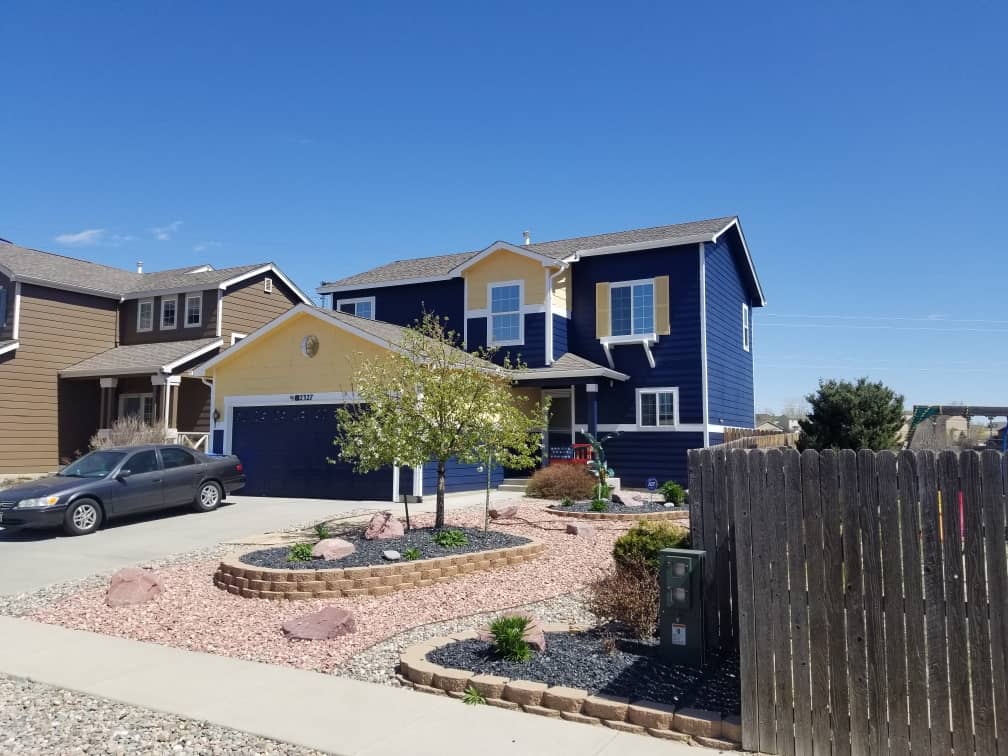
Colorado is a beautiful place to live, but it is not easy on exterior surfaces. Paint here has to do more than look good. It has to protect against a lot of movement, exposure, and seasonal punishment.
Some of the biggest factors include:
High-Altitude UV Exposure
The sun is one of the biggest reasons exterior paint fades and breaks down in Colorado. At higher elevations, UV exposure is more intense, which can cause colors to fade, paint to dry out, and coatings to lose flexibility over time. South- and west-facing walls tend to show this wear first because they receive stronger direct sunlight.
This is why one side of a house may look much worse than the others. It is not unusual for the front or west-facing side of a property to need attention before the more shaded areas.
Temperature Swings
Colorado can see major temperature swings throughout the year, and sometimes within the same day. Those changes cause exterior materials to expand and contract. Over time, that movement can stress the paint film, especially around joints, trim, siding seams, and caulked areas.
If the surface was not properly prepped, primed, or sealed, those temperature changes can accelerate cracking, peeling, and separation.
Snow, Ice, and Moisture
Winter weather can also shorten the life of exterior paint. Snow and ice sit against siding, trim, decks, fences, and lower exterior surfaces. As moisture works into small cracks or exposed areas, it can create bigger problems when temperatures drop and that moisture freezes.
Paint failure often starts small. A little cracking around trim. A small area of peeling near a window. A spot where caulking has pulled away. Left alone, those openings allow moisture to reach the material underneath.
Wind and Storm Exposure
Wind can drive rain, dust, and debris against exterior surfaces. It can also wear down already weakened coatings over time. Add hail into the mix, and exterior paint in Colorado has even more to deal with.
Hail does not always destroy paint, but it can chip coatings, dent soft surfaces, damage trim, and expose vulnerable areas. If your home or business recently went through a strong hailstorm, it is worth checking the exterior along with the roof.
Paint Quality Makes a Big Difference
Not all exterior paint is built the same. Cheaper paint may look fine at first, but it usually does not provide the same durability, coverage, adhesion, or UV resistance as a higher-quality coating.
That matters in Colorado.
A premium exterior paint or coating is designed to hold up better against sun exposure, moisture, temperature swings, and daily wear. It may cost more upfront, but it can save money over time if it extends the life of the paint job and helps protect the structure underneath.
Builder-grade paint is another common issue. Many newer homes are originally painted with thinner, lower-cost coatings that may not hold up as long as a professional repaint using premium materials. Builder-grade paint may begin showing wear in roughly 5 to 6 years, especially compared with thicker premium products.
The takeaway is simple: paint quality matters, but only when it is paired with proper prep.
Prep Work Is What Makes Exterior Paint Last
A lot of homeowners focus on the paint brand or color, and those things matter. But the real difference between a paint job that lasts and one that fails early is often the prep work.
Proper exterior painting preparation may include:
- Pressure washing or cleaning the surface
- Scraping loose or failing paint
- Sanding rough areas
- Repairing minor surface damage
- Replacing failed caulking
- Priming bare or problem areas
- Sealing gaps where moisture can enter
- Making sure the surface is dry before painting
- Applying the right product for the surface material
Skipping these steps is where problems start.
Paint needs a clean, sound, properly prepared surface to bond correctly. If new paint is applied over dirt, chalky residue, peeling paint, failed caulk, or moisture-damaged surfaces, it may look good for a short time but fail much sooner than it should.
At Re-Store Roofing & Painting, we do not treat prep work as optional. A paint job is only as strong as the surface underneath it.
Warning Signs Your Exterior Paint Is Wearing Out
You do not always need to wait until the whole property looks rough before repainting. In fact, waiting too long can turn a painting project into a repair project.
Watch for these signs:
- Peeling paint
- Cracking or bubbling
- Faded or chalky-looking color
- Exposed wood
- Failed or separated caulking
- Soft or rotting trim
- Water stains or moisture marks
- Paint flaking around windows or doors
- Bare spots on siding, fascia, or trim
- Areas that look dry, brittle, or worn down
- Hail chips or impact marks on painted surfaces
Fading alone may be mostly cosmetic at first. Peeling, cracking, exposed wood, and failed caulking are bigger concerns because they can allow moisture into the surface underneath.
Once moisture gets behind paint, it can lead to wood rot, swelling, mold concerns, and more expensive repairs.
Which Surfaces Wear Out Fastest?
Not every part of your exterior ages evenly. Some areas naturally need attention sooner.
Trim and Fascia
Trim, fascia, and other detailed areas often show wear before large siding surfaces. These areas have more edges, seams, and caulk lines, which means more places for moisture to enter if the coating fails.
South- and West-Facing Walls
These walls tend to receive the strongest sun exposure. In Colorado, that UV exposure can cause faster fading, drying, and surface breakdown.
Wood Siding
Wood is beautiful, but it requires maintenance. It expands, contracts, and absorbs moisture more than many other materials. If paint or stain is not maintained, wood can deteriorate quickly.
Lower Exterior Areas
Areas near soil, landscaping, decks, patios, and snow buildup can wear faster because they are exposed to moisture, splashback, and freeze-thaw cycles.
Garage Doors and Outbuildings
Garage doors, sheds, barns, and other outbuildings are often overlooked, but they face the same weather as the main structure. Keeping them painted helps protect the materials and keeps the entire property looking maintained.
Can You Make Exterior Paint Last Longer?
Yes, but it comes down to maintenance and timing.
You can help extend the life of your exterior paint by:
- Inspecting your exterior at least once or twice a year
- Washing away dirt, dust, and grime when needed
- Touching up small problem areas before they spread
- Replacing failed caulking
- Keeping gutters working properly
- Trimming vegetation away from painted surfaces
- Addressing storm or hail damage quickly
- Repainting before surfaces are fully exposed
Regular inspections and maintenance can help catch peeling, cracking, mold growth, or surface damage before it worsens.
The biggest mistake is waiting until the paint has completely failed. At that point, more scraping, sanding, repair, priming, and surface restoration may be needed before repainting can even begin.
When Is the Best Time to Paint in Colorado?
Exterior painting depends on weather conditions. Paint needs the right temperature, surface condition, and dry time to adhere and cure properly.
In Colorado, exterior painting is typically best during milder weather when temperatures are not too cold, not too hot, and surfaces are dry. Spring, summer, and early fall are usually the most practical windows, but the exact timing depends on daily conditions.
Painting in extreme heat, cold, moisture, or direct harsh sun can affect adhesion and finish quality. Better Homes & Gardens notes that exterior painting generally performs best when temperatures are moderate and humidity is controlled, with proper planning around dew, rain, and intense heat.
A professional painter will look at more than the calendar. They will consider the surface temperature, overnight lows, rain forecast, wind, sun exposure, and product requirements.
Should You Repaint Before It Looks Bad?
In many cases, yes.
A lot of property owners wait until exterior paint is obviously failing. That is understandable, but it can cost more in the long run. Once paint stops protecting the surface underneath, the project may require more repair and prep before new paint can be applied.
Repainting before major failure helps:
- Protect siding and trim
- Reduce the risk of moisture damage
- Improve curb appeal
- Maintain property value
- Avoid larger repair costs
- Extend the life of exterior surfaces
For homeowners thinking about selling, repainting can also make the property look cleaner, newer, and better maintained. For business owners, a fresh exterior helps create a better first impression for customers, tenants, and visitors.
So, How Long Will Your Exterior Paint Last?
The most honest answer is this:
Your exterior paint will last as long as the surface, prep work, product quality, and exposure allow it to last.
For many Colorado properties, that means 5 to 10 years. Some surfaces may need attention sooner. Others may last longer with premium materials, strong prep work, and regular maintenance.
If your paint is fading, peeling, cracking, chalking, or exposing the surface underneath, it is time to have it looked at. You may not need a full repaint right away, but you do need to know whether the coating is still protecting your property.
Get an Exterior Painting Estimate in Colorado
Exterior paint in Colorado has a tough job. It has to stand up to sun, wind, snow, hail, moisture, and constant seasonal change. When it starts to fail, it is not something to ignore.
Re-Store Roofing & Painting provides professional exterior painting for Colorado homes and businesses. With more than 20 years of local experience, we understand what Colorado’s climate demands from exterior coatings, and we do the prep work required to help your paint job last.
Whether your property needs a full exterior repaint, siding painting, trim painting, garage door painting, outbuilding painting, or commercial exterior painting, our team will give you an honest assessment and a clear recommendation.
Contact Re-Store Roofing & Painting today to schedule your exterior painting estimate in Colorado.