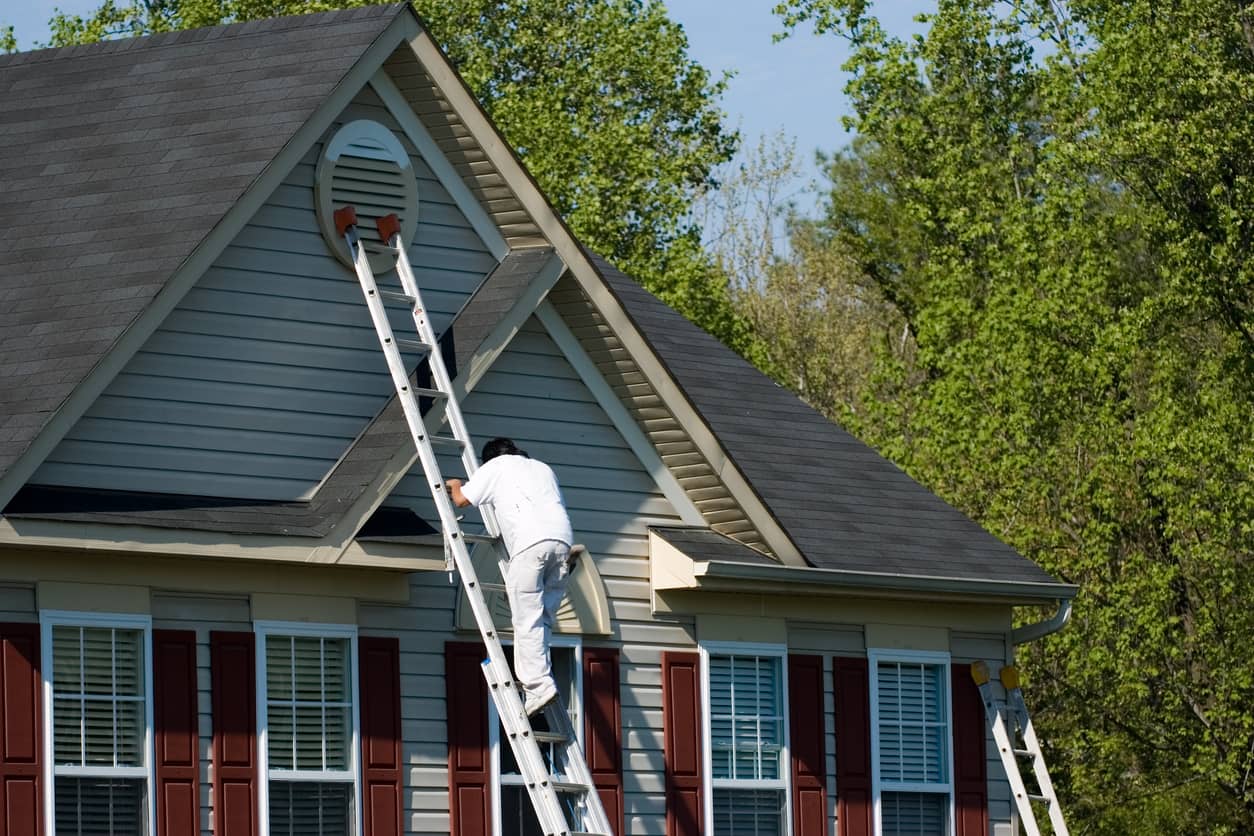
Painting your home’s exterior in Colorado is not as simple as picking a weekend and hoping the weather cooperates.
Between late spring snow, summer hail, intense sun, afternoon thunderstorms, strong wind, and cold overnight temperatures, Colorado can make exterior painting tricky. The right timing matters because paint needs the right conditions to bond, dry, and cure properly.
So, what is the best time of year to paint your home’s exterior in Colorado?
For most homes, the best exterior painting window is typically late spring through early fall, with early summer and early fall often being the most reliable times. In Colorado Springs, that usually means aiming for a stretch of dry, mild weather when temperatures are warm enough, surfaces are dry, winds are manageable, and overnight lows are not too cold.
That does not mean every home must be painted in June or September. It means the best time depends on the weather window, the surface condition, the type of paint being used, and how exposed your home is to sun, wind, moisture, and shade.
At Re-Store Roofing & Painting, we help Colorado Springs homeowners and businesses plan exterior painting projects around the conditions that actually matter, not just the month on the calendar.
Quick Overview
- The best exterior painting season in Colorado is usually late spring through early fall.
- Early summer and early fall often offer the most reliable conditions because temperatures are usually milder and weather patterns can be more predictable.
- Paint should not be applied to wet, dirty, frozen, or overly hot surfaces.
- Overnight temperatures matter because paint still needs proper conditions after the crew leaves for the day.
- Wind, hail, rain, direct sun, and surface temperature can all affect how well exterior paint performs.
- Prep work matters as much as timing. Even the right season will not save a paint job if the surface is not properly cleaned, repaired, scraped, caulked, primed, and prepared.
The Short Answer: Late Spring Through Early Fall Is Usually Best
In Colorado, the best time to paint your home’s exterior is generally from late spring through early fall. This gives you the best chance of having temperatures warm enough for paint to cure, surfaces dry enough for proper adhesion, and enough daylight for crews to work efficiently.
For Colorado Springs, the strongest exterior painting windows are often:
The best answer is not “paint in this exact month.” The best answer is to paint when conditions give the coating the best chance to bond and cure correctly.
| Season | Exterior Painting Outlook | What to Watch For |
|---|---|---|
| Late Spring | Often a good time once temperatures stabilize | Late snow, rain, hail, and wet surfaces |
| Early Summer | One of the best painting windows | Afternoon storms, wind, and direct sun |
| Mid-Summer | Can work well with proper timing | High heat, intense UV, and fast surface drying |
| Early Fall | Often one of the best windows | Shorter days and colder overnight temperatures |
| Late Fall | Possible in some conditions, but less reliable | Freezing nights, moisture, and shorter cure times |
| Winter | Usually not ideal for exterior painting | Cold temperatures, snow, ice, and poor curing conditions |
Why Timing Matters So Much in Colorado
Exterior paint is meant to protect your home, not just change the color. It helps shield siding, trim, fascia, doors, shutters, garage doors, and other exterior surfaces from moisture, sun exposure, wind, and daily wear.
When paint is applied in the wrong conditions, it may not perform the way it should.
Poor timing can lead to:
- Peeling
- Bubbling
- Cracking
- Uneven drying
- Poor adhesion
- Lap marks
- Blotchy finish
- Shorter paint lifespan
- Moisture getting behind the coating
- More prep work the next time the home is painted
This is especially important in Colorado because exterior paint already has a hard job. High-altitude UV exposure, hail, snow, dry air, wind, and freeze-thaw cycles all wear down coatings over time.
Good timing helps the paint start strong.
Temperature Matters, But So Does Surface Temperature
Most exterior paint products have recommended temperature ranges. The exact range depends on the paint, but many exterior coatings need temperatures to stay above a minimum threshold during application and curing.
That means you have to think about more than the afternoon high.
You also need to consider:
- Morning surface temperature
- Overnight lows
- Direct sun exposure
- Shade patterns
- Wind chill
- Whether the surface is still damp
- How quickly temperatures are expected to drop after sunset
A sunny afternoon may feel warm enough, but if the surface is cold from the night before or temperatures drop too quickly after painting, the coating may not cure properly.
This is why late fall can be risky. Even when daytime temperatures look acceptable, overnight lows can create problems.
Rain, Snow, and Moisture Are Deal Breakers
Paint needs a dry surface. If siding, trim, stucco, fascia, or wood is wet, paint may not bond the way it should.
Moisture can come from:
- Rain
- Snow
- Hail
- Sprinklers
- Morning dew
- Humidity
- Wet landscaping against the home
- Damp wood
- Recent pressure washing
- Poor drainage
- Leaking gutters
In Colorado Springs, spring and summer storms can roll in quickly. That is why a professional exterior painting project should always be planned around the forecast, not just the season.
The surface needs time to dry before paint is applied. After painting, the coating also needs enough dry time before rain or hail hits again.
Spring Painting in Colorado: Good Timing, But Watch the Weather
Spring can be a good time to paint your home’s exterior in Colorado, but it depends on the year and the specific weather window.
The advantage of spring is that temperatures are often milder than peak summer. It is also a good time to deal with exterior paint damage before the strongest sun, hail, and heat of the season arrive.
Spring is a smart time to inspect for:
- Peeling paint
- Cracked caulking
- Exposed wood
- Faded siding
- Hail damage from the previous season
- Moisture damage
- Failing trim paint
- Gutter or drainage issues
- Areas where snow or ice caused wear
The challenge is that spring weather in Colorado can be unpredictable. Late snow, rain, hail, wind, and cold nights can all delay exterior painting.
Spring can be a great time to schedule an estimate and get on the calendar, but the actual paint work should wait until conditions are consistently right.
Summer Painting in Colorado: Usually Strong, But Heat and Storms Matter
Summer is one of the busiest exterior painting seasons for a reason. Temperatures are warmer, days are longer, and homes usually have more time to dry after prep work.
That said, summer is not automatic perfection.
Colorado summers bring their own issues:
- Afternoon thunderstorms
- Hail risk
- Strong UV exposure
- High surface temperatures
- Wind
- Dry air
- Fast drying on sun-exposed walls
Paint can dry too quickly when applied in direct sun or extreme heat. When that happens, it may not level or cure properly. This can affect the appearance and long-term performance of the coating.
A good exterior painting crew will plan around the sun. For example, they may work on certain sides of the home earlier or later in the day depending on shade, surface temperature, and exposure.
In Colorado Springs, south- and west-facing walls often take the hardest sun. Those areas may need extra attention during prep and application because they tend to fade and wear faster.
Early Fall May Be One of the Best Painting Windows
Early fall is often one of the best times to paint your home’s exterior in Colorado.
The heat is usually less intense, the sun angle changes, and daytime temperatures can be more comfortable for painting. Early fall can also be a smart time to protect your exterior before winter snow, ice, moisture, and freeze-thaw cycles arrive.
Fall is especially useful if your exterior paint is showing signs of wear, such as:
- Peeling
- Cracking
- Chalking
- Exposed wood
- Failed caulking
- Faded color
- Bare trim
- Moisture-prone areas
- Worn fascia or siding
The main concern is overnight temperature. As fall moves later, colder nights can interfere with curing. Shorter days also give crews less daylight and less drying time.
That is why early fall is usually better than late fall.
Winter Is Usually Not Ideal for Exterior Painting
Winter is generally not the best time for exterior painting in Colorado.
Cold temperatures, snow, ice, frozen surfaces, and moisture make it harder for paint to bond and cure correctly. Some specialty products can be used in cooler temperatures, but winter exterior painting is still limited and requires very specific conditions.
For most homeowners, winter is better used for planning, estimates, color selection, and interior painting projects.
If your exterior paint is already failing before winter, it is usually better to have it looked at in late summer or early fall rather than waiting until cold weather limits your options.
The Best Month Depends on the Surface
Different exterior surfaces can affect project timing too.
Wood Siding and Trim
Wood needs to be dry before painting. If the wood is damp, rotted, soft, or exposed, it may need repair, sanding, priming, or replacement before paint is applied.
Wood trim, fascia, and siding are especially vulnerable in Colorado because they deal with sun exposure, moisture, snow, and freeze-thaw movement.
Stucco
Stucco can hold moisture, so it needs proper drying time before painting. Cracks should be repaired first, and the right coating should be selected for the surface.
Painting stucco at the wrong time or over moisture problems can lead to poor performance.
Fiber Cement Siding
Fiber cement siding can perform well in Colorado, but the paint and caulking still matter. Seams, trim joints, and edges need to be checked and prepared carefully.
Doors, Fascia, and Trim
These areas often show paint failure sooner than large siding sections. They have more seams, edges, and exposure points where moisture can enter.
If your home does not need a full repaint yet, targeted exterior painting in Colorado Springs for trim, fascia, doors, or garage doors may still be worth considering.
Prep Work Can Make or Break the Paint Job
Timing matters, but prep work is what helps the paint last.
Even in the perfect season, exterior paint can fail early if applied over a surface that is dirty, chalky, peeling, wet, damaged, or poorly sealed.
Proper exterior painting prep may include:
- Washing or pressure washing the exterior
- Removing dirt, dust, and chalky residue
- Scraping loose paint
- Sanding rough areas
- Repairing damaged wood or trim
- Replacing failed caulking
- Sealing gaps where moisture can enter
- Priming bare or problem areas
- Letting surfaces dry completely
- Choosing the right paint for the surface
- Applying paint in the right weather window
Skipping prep is one of the fastest ways to shorten the life of an exterior paint job.
A quality paint job should protect your home, not just look good for one season.
Do Not Wait Until Paint Fully Fails
Many homeowners wait too long to repaint. They notice fading or a few peeling spots, but they put it off until the problem becomes obvious.
The problem is that once paint fails, the surface underneath becomes more vulnerable.
Peeling paint, cracked caulk, exposed wood, and bare spots can allow moisture into the siding, trim, fascia, or wood underneath. In Colorado, that moisture can combine with snow, ice, sun, and freeze-thaw cycles to create bigger damage.
It is usually better to repaint before the coating fully fails.
You may be ready to schedule exterior painting if you notice:
- Fading or uneven color
- Chalking or powdery residue
- Peeling paint
- Cracking or bubbling
- Exposed wood
- Failed caulking
- Soft or damaged trim
- Bare spots on fascia or siding
- Paint flaking around doors or windows
- South- or west-facing walls wearing faster
- Hail chips or storm damage
- Your exterior has not been painted in several years
If the home has already had storm damage, it may also be worth pairing the paint inspection with a broader exterior review. Hail can affect siding, trim, gutters, decks, fences, and roofing surfaces.
Exterior Painting and Colorado Storm Season
Colorado storm season adds another layer to exterior painting.
Hail, heavy rain, and wind can damage paint before, during, or after a project. That does not mean you cannot paint during storm season, but it does mean timing and planning matter.
Before painting, it is smart to check for:
- Hail chips in existing paint
- Dented gutters
- Damaged siding
- Cracked trim
- Exposed wood
- Roof or gutter drainage issues
- Areas where water runs down the siding
- Deck or fence damage
If your home recently went through a storm, a professional inspection can help determine whether the exterior is ready for paint or whether repairs should happen first.
Re-Store Roofing & Painting provides both painting services in Colorado Springs and roofing services in Colorado Springs, which can be helpful when hail or wind damage affects more than one part of the property.
What About Decks and Fences?
Decks and fences follow the same general timing rules, but moisture and surface condition matter even more.
Wood needs to be clean and dry before stain or paint is applied. If a deck or fence is damp, dirty, splintered, sun-baked, or covered with a failing coating, the finish may not last.
For Colorado decks and fences, late spring through early fall is usually the best window. Early fall can be especially useful because it helps protect exposed wood before winter.
You may need deck and fence painting or staining in Colorado Springs if you notice:
- Faded stain
- Peeling paint
- Gray or weathered wood
- Splintering boards
- Exposed bare wood
- Water soaking in instead of beading
- Hail chips
- Cracked railings or pickets
- Heavy sun damage
Outdoor wood in Colorado needs regular maintenance. Waiting too long can turn a refinishing project into a repair project.
How Far Ahead Should You Schedule Exterior Painting?
If you want to paint during the best part of the season, it helps to schedule early.
Spring and summer calendars can fill quickly, especially after storms or when homeowners start noticing peeling paint, fading, or hail damage. Waiting until the last minute may limit your options, especially if your home needs repairs before painting.
A good exterior painting estimate should look at:
- Surface condition
- Paint failure
- Caulking
- Trim and fascia
- Siding material
- Moisture concerns
- Sun exposure
- Storm damage
- Access around the property
- Prep work needed
- Product recommendations
- Timing and weather window
That gives you a realistic plan instead of a rushed start date.
So, When Should You Paint Your Home’s Exterior in Colorado?
For most Colorado homes, the best time to paint the exterior is late spring through early fall, with early summer and early fall often providing the strongest weather windows.
But the season is only part of the decision.
The best time to paint is when:
- Temperatures are within the paint manufacturer’s recommended range
- Overnight lows stay warm enough for curing
- Surfaces are clean and dry
- Rain, hail, or snow are not in the immediate forecast
- Wind is manageable
- Direct sun and surface temperature can be controlled
- Prep work has been completed correctly
- Damaged wood, siding, trim, or caulking has been repaired
If those conditions are not in place, it may be better to wait than to force the project.
Schedule Exterior Painting in Colorado Springs
Exterior painting in Colorado is about more than picking a color. The timing, prep work, surface condition, paint quality, and application process all affect how long the finished project will last.
Re-Store Roofing & Painting provides professional exterior painting for Colorado Springs homes and businesses. With more than 20 years of local experience, we understand how Colorado sun, wind, hail, snow, dry air, moisture, and freeze-thaw cycles affect exterior surfaces.
Whether you need a full exterior repaint, trim painting, siding painting, fascia painting, garage door painting, outbuilding painting, or deck and fence staining, we can help you choose the right timing and approach for your property.
No shortcuts. No pressure. Just honest recommendations and quality work built for Colorado.
Contact Re-Store Roofing & Painting today to schedule your exterior painting estimate in Colorado Springs.