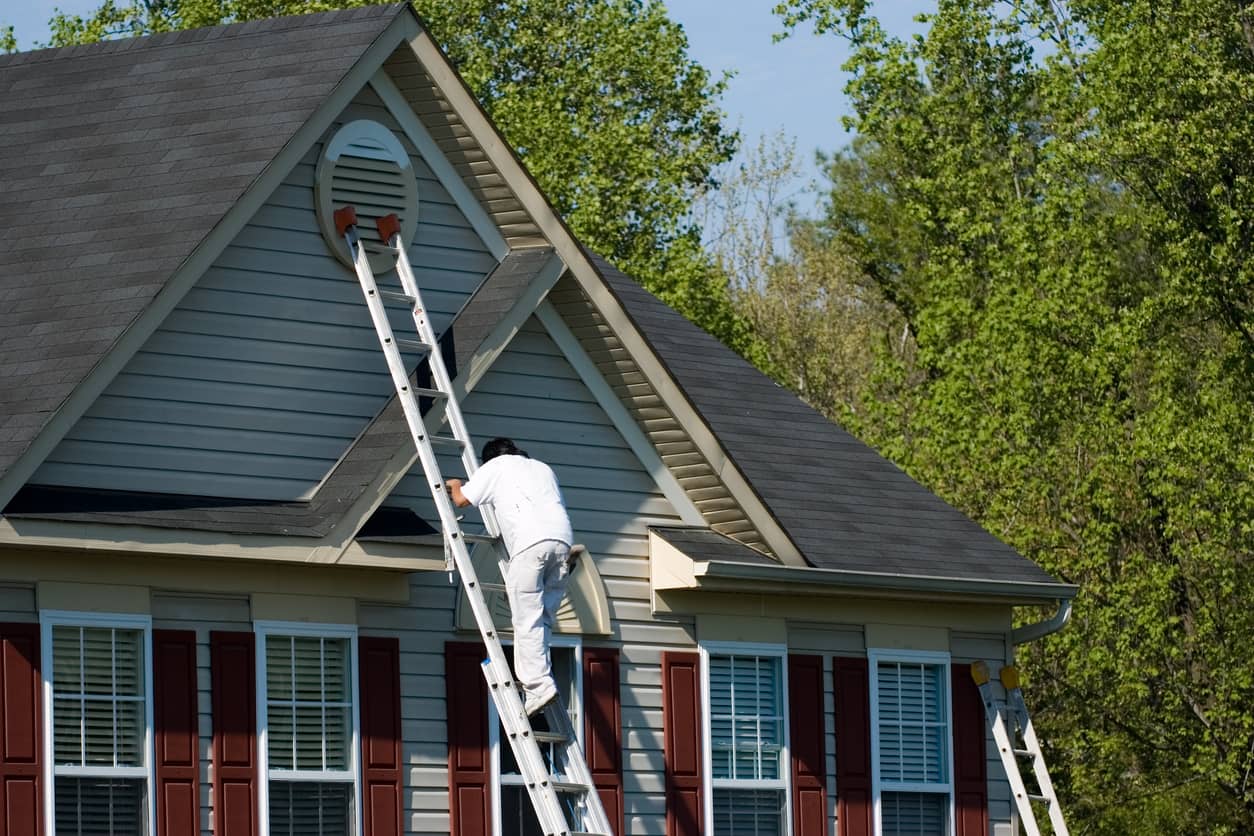
A roof in Colorado works harder than roofs in many other parts of the country. Between hail, high-altitude UV exposure, heavy snow, strong wind, freeze-thaw cycles, and rapid temperature swings, roofing materials here take a beating year after year.
So, how long should your roof last in Colorado?
For many homes and businesses, an asphalt shingle roof commonly lasts somewhere around 15 to 30 years, depending on the material, installation quality, ventilation, maintenance, and storm exposure. Some roofs last longer. Others need major repairs or replacement much sooner, especially after severe hail or wind damage.
The key is understanding that roof lifespan is not just about age. It is about condition.
A 12-year-old roof with widespread hail damage may be in worse shape than a 22-year-old roof that has been well maintained and avoided major storms. That is why regular inspections and honest recommendations matter so much in Colorado.
Roof Lifespan in Colorado: Quick Overview
- Most asphalt shingle roofs in Colorado last around 15 to 30 years, depending on materials, installation, ventilation, and storm exposure.
- Colorado weather can shorten that lifespan, especially when hail, UV exposure, wind, snow, and freeze-thaw cycles are involved.
- Condition matters more than age alone. A roof should be evaluated based on damage, wear, leaks, granule loss, ventilation, and overall performance.
- A professional roof inspection is the best way to know whether repair, replacement, maintenance, or continued monitoring makes the most sense.
Average Roof Lifespan by Material
The type of roofing material on your property plays a major role in how long your roof may last. These are general ranges, not guarantees, because Colorado weather, installation quality, ventilation, and maintenance can all change the timeline.
| Roofing Material | Typical Lifespan in Colorado | What to Know |
|---|---|---|
| 3-tab asphalt shingles | 15 to 20 years | More affordable, but usually less durable than architectural shingles |
| Architectural asphalt shingles | 20 to 30 years | Common for Colorado homes and generally stronger than 3-tab shingles |
| Impact-resistant shingles | 20 to 30+ years | Designed to perform better against hail, but not hail-proof |
| Metal roofing | 40 to 70 years | Long-lasting when installed correctly, but flashing and fasteners still matter |
| Tile roofing | 40 to 50+ years | Durable, but underlayment, flashing, and impact damage still need attention |
| Flat or low-slope roofing | Varies by system | Common on commercial buildings and highly dependent on drainage and maintenance |
These numbers are useful as a starting point, but they should not replace an inspection. A roof’s real condition depends on what it has been through and how well the entire roofing system is performing.
Colorado’s Climate Is Unusually Hard on Roofs
Colorado roofs deal with several types of stress at once. That combination is what can shorten roof lifespan faster than many property owners expect.
Hail Can Change Everything Quickly
Hail is one of the biggest wildcards for Colorado roofs. One strong hailstorm can damage shingles, knock granules loose, crack materials, dent vents, and compromise the protective surface of the roof.
The tricky part is that hail damage is not always obvious from the ground. A roof can look fine from the driveway while still having bruised shingles, fractured surfaces, or loosened granules that reduce its ability to protect the property.
After a major hailstorm, the question is not just whether the roof is leaking today. The better question is whether the roofing system has been weakened enough to create problems later.
High-Altitude Sun Breaks Down Materials
Colorado’s elevation means stronger UV exposure. Over time, UV rays dry out asphalt shingles, weaken protective layers, and contribute to cracking, brittleness, and granule loss.
South- and west-facing slopes often show wear sooner because they receive more direct sunlight. If one side of your roof looks older than the rest, sun exposure may be a major reason.
Snow, Ice, and Freeze-Thaw Cycles Add Stress
Snow adds weight and moisture. When snow melts during the day and refreezes overnight, small gaps, cracks, and weak points can get worse.
Freeze-thaw cycles can stress flashing, seals, roof edges, valleys, and minor openings around penetrations. A small issue before winter can become a bigger issue after months of repeated expansion and contraction.
Wind Can Break Seals and Lift Shingles
Strong wind can loosen shingles, break seals, pull at flashing, and expose vulnerable areas. Sometimes wind-damaged shingles settle back down and look normal from the ground, but the seal may no longer be doing its job.
Once part of the roofing system is compromised, the next storm has an easier path to create more damage.
Repair or Replace: The Question Most Property Owners Really Care About
Roof lifespan matters, but most property owners are really trying to answer one practical question:
Can this roof be repaired, or is it time to replace it?
Roof repair may make sense when the damage is isolated and the rest of the roof is still in good condition. That might include a few missing shingles, a failed pipe boot, minor flashing issues, one identifiable leak source, or limited wind damage on an otherwise healthy roof.
Roof replacement may make more sense when the damage is widespread, the roof is near the end of its useful life, leaks keep coming back, granule loss is significant, or repairs would only buy a short amount of time.
Here is the simple way to think about it:
| Repair May Be Enough When… | Replacement May Be Smarter When… |
|---|---|
| Damage is limited to one area | Damage is spread across multiple slopes |
| The roof is still relatively young | The roof is near or past its expected lifespan |
| Shingles are mostly in good condition | Shingles are brittle, curling, cracking, or losing granules |
| There is one clear leak source | Leaks keep returning in different areas |
| Flashing, pipe boots, or small sections need work | There are soft spots, sagging, or structural concerns |
| The repair will restore reliable protection | Repairs would be temporary or overly expensive |
The right recommendation should be based on the roof’s actual condition, not a sales pitch. A good contractor should be able to show you what they found, explain why it matters, and walk you through the practical options.
The Roof Is a System, Not Just Shingles
Many people think roof lifespan comes down to the shingles alone. Shingles matter, but they are only one part of the system.
A roof also depends on:
- Flashing
- Underlayment
- Drip edge
- Valleys
- Gutters and drainage
- Pipe boots and roof penetrations
- Attic ventilation
- Decking and structural support
- Installation quality
If one part of the system fails, the rest of the roof can be affected.
For example, shingles may still have useful life left, but failed flashing around a chimney can cause a leak. A roof may look good from the outside, but poor attic ventilation can trap heat and moisture underneath the roof deck. Gutters may not be part of the roof covering itself, but poor drainage can damage fascia, roof edges, siding, and foundation areas.
That is why a proper roof inspection should look beyond the surface.
Installation and Ventilation Can Add or Remove Years
A quality roofing material can fail early if the installation is poor. Proper nail placement, flashing, underlayment, valley work, pipe boot installation, drip edge, and ventilation all affect how long the roof performs.
Ventilation is especially important in Colorado.
Poor attic ventilation can trap heat and moisture under the roof deck. In summer, trapped heat can stress shingles from below. In winter, trapped moisture can contribute to condensation, decking problems, mold concerns, and uneven snowmelt.
Poor ventilation can lead to:
- Premature shingle aging
- Moisture buildup
- Warped or weakened decking
- Mold or mildew concerns
- Ice-related issues
- Shorter roof lifespan
A roof that should last 25 years may fall short if it was installed poorly or if the attic cannot breathe properly.
Signs Your Roof May Be Near the End of Its Life
Roof age gives you a starting point, but the roof’s condition tells the real story.
Your roof may be nearing the end of its useful life if you notice:
- Curling or cupping shingles
- Cracked or brittle shingles
- Widespread granule loss
- Bald spots on shingles
- Missing shingles after wind
- Multiple leaks
- Water stains on ceilings or walls
- Soft spots or sagging areas
- Damaged flashing in several areas
- Recurring repairs
- Exposed underlayment or fiberglass matting
- Excessive granules in gutters
- Visible storm damage
- A roof age approaching 20 to 30 years
One of these signs does not automatically mean you need a new roof. Several signs together are a different story.
A single missing shingle on a 10-year-old roof may be a straightforward repair. Widespread granule loss, recurring leaks, and brittle shingles on a 22-year-old roof may point toward replacement.
Warranty Length Is Not the Same as Real-World Lifespan
Many roofing materials come with long manufacturer warranties, but warranty length and real-world roof lifespan are not the same thing.
A shingle may be marketed with a long warranty, but the actual performance of the roof depends on installation quality, ventilation, weather exposure, maintenance, storm damage, product type, and warranty requirements.
This is especially important in Colorado. A warranty does not stop hail from damaging shingles, and it does not make up for poor installation or neglected maintenance.
The warranty is worth understanding, but the roof’s real-world condition matters more.
How Often Should You Have Your Roof Inspected in Colorado?
For Colorado homes and businesses, a roof inspection is smart at least once a year and after major hail or wind events. Routine inspections help catch issues early, establish a baseline for roof condition, and provide documentation if storm damage becomes a concern.
You should also schedule an inspection if:
- Your roof is 10 to 15 years old or older
- You notice missing shingles
- You see granules near downspouts
- There are water stains inside
- Your area recently had hail
- Your gutters, vents, or soft metals show impact marks
- You are buying or selling the property
- You are unsure whether repair or replacement makes sense
Do not wait for an obvious leak. By the time water shows up inside, the problem may already involve decking, insulation, drywall, or attic moisture.
Can You Extend the Life of Your Roof?
Yes, but only if the roof is still in a condition where maintenance makes sense.
You can help extend your roof’s life by:
- Having it inspected regularly
- Addressing storm damage quickly
- Repairing small leaks early
- Replacing damaged shingles
- Keeping gutters clear
- Maintaining attic ventilation
- Removing debris from valleys
- Trimming overhanging branches
- Watching for granule loss
- Checking flashing around chimneys, vents, and skylights
- Keeping records of inspections and repairs
The goal is not to force an old roof to last forever. The goal is to get the full useful life out of the roof without letting preventable damage shorten that timeline.
So, How Long Should Your Roof Last in Colorado?
For many Colorado properties, an asphalt shingle roof should last around 15 to 30 years, but the real answer depends on the roof’s material, installation quality, ventilation, maintenance, storm exposure, and overall condition.
A roof is not automatically good because it is young. It is not automatically bad because it is older. The best way to know where your roof stands is to have it inspected by a contractor who understands Colorado’s climate and is willing to give you a straight answer.
If your roof is showing signs of age, has gone through a recent hailstorm, or keeps needing repairs, it is time to get a professional opinion.
Schedule a Roof Inspection in Colorado Springs
Re-Store Roofing & Painting provides honest roof inspections, roof repairs, and roof replacements for Colorado Springs homes and businesses. With more than 20 years of local experience, we understand how Colorado’s hail, wind, snow, sun, and freeze-thaw cycles affect roofing systems over time.
We will inspect your roof, explain what we find, and help you understand whether repair, replacement, maintenance, or continued monitoring makes the most sense.
No pressure. No scare tactics. Just clear recommendations and quality work built for Colorado.
Contact Re-Store Roofing & Painting today to schedule your roof inspection or roof replacement estimate.