If you’ve lived in Colorado for more than one summer, you already know the drill. You’re out on the patio, the sky turns that particular shade of greenish-gray, and before you can say “grab the patio cushions,” golf ball-sized hail is bouncing off everything you own. It’s almost a rite of passage around here.
But here’s the thing most Colorado homeowners don’t realize: the hail that rattled your windows and dimpled your car hood may have also done serious damage to your roof, and you might not know it for months or even years. That’s the sneaky part. Hail damage isn’t always the dramatic, obvious destruction you’d expect. A lot of the time, it’s quiet, gradual, and invisible from the ground, right up until the moment it becomes a very expensive problem.
Let’s talk about what’s actually happening up there, how to spot the warning signs, and what you should do to protect one of your biggest investments.
Why Colorado Is Ground Zero for Hail Damage
Colorado is not messing around when it comes to severe weather. The Front Range and surrounding areas consistently rank among the most hail-prone regions in the entire country. We sit right in the heart of “Hail Alley,” a stretch of the central United States where warm air from the Gulf meets cold air from the Rockies and creates the perfect conditions for monster storms.
Hail season in Colorado typically runs from late spring through early fall, with May, June, and July being the most active months. The Colorado Springs area, in particular, sees its fair share of these storms every single year. And the hail doesn’t have to be massive to cause damage. Even smaller stones hitting your roof at high velocity, sometimes accompanied by strong winds, can degrade roofing materials significantly.
The kicker? You can have a serious hail event, do a quick visual scan from the sidewalk, see nothing obviously wrong, and assume you’re in the clear. Meanwhile, the damage is quietly working against you.
What Hail Actually Does to a Roof
To understand why hail damage is so sneaky, it helps to know a little about how asphalt shingles work. Asphalt shingles are coated with granules, those tiny sand-like particles that give your roof its texture and color. Those granules do more than just look nice. They protect the asphalt layer beneath from UV radiation, reflect heat, and help the shingle shed water efficiently.
When hail hits a shingle, it knocks granules loose. Sometimes it causes what’s called a “bruise,” which is essentially an impact that cracks or weakens the asphalt mat beneath the surface. Here’s the problem: a bruised shingle can look almost totally fine from the outside, at least for a while. But underneath, the integrity of the shingle has been compromised. Over the following months and years, that spot becomes vulnerable to cracking, curling, and water infiltration.
Other types of hail damage include:
Granule loss: You might notice an unusual amount of granules in your gutters or downspouts after a storm. That’s not dirt; that’s your roof’s protective coating washing away. As granules are lost, the asphalt is exposed to the elements and begins to deteriorate faster.
Cracked or split shingles: Larger hail can crack shingles outright, creating immediate entry points for water.
Dented or damaged flashing: The metal flashing around your chimney, vents, and valleys can take a beating from hail too, and damaged flashing is one of the most common culprits behind roof leaks.
Soft metal damage: Your gutters, downspouts, and any exposed metal vents or caps are much more likely to show visible dents after a hail storm. If these are dented, your shingles were almost certainly hit too.
Weakened underlayment: In severe storms, hail can damage the protective underlayment beneath the shingles, further compromising your roof’s ability to keep water out.
The “Silent Destroyer” Effect
Here’s why we call hail damage the silent destroyer. The damage done to your roof on a Tuesday afternoon in July may not result in a leak until the following spring, or even later. By then, you’ve long since assumed your roof made it through the season just fine.
Water is incredibly patient. It will find the smallest crack, the tiniest breach in your protective layer, and it will work its way in slowly. By the time you notice a stain on your ceiling or moisture in your attic, you could be looking at damaged insulation, wood rot, mold growth, and structural issues that have been building for months. What started as hail damage that might have been repaired for a relatively modest cost has now turned into a much bigger, more expensive project.
This is why timing matters so much when it comes to hail damage assessment. The sooner you have your roof inspected after a significant storm, the better your chances of catching damage before it compounds.
How to Tell If Your Roof Took a Hit
You don’t need to climb up on your roof yourself (please don’t, honestly) to get a preliminary sense of whether a storm may have caused damage. Here are some signs you can look for from the ground and around your home:
Check your gutters and downspouts. Look for a buildup of granules. A few granules are normal, but a significant amount after a storm is a red flag.
Look at your soft metals. Walk around your house and check your gutters, downspouts, window sills, and any air conditioning units. Fresh dents and dings after a hail storm are a strong indicator that your shingles took hits too.
Inspect your skylights. Cracked or pitted skylight glazing is another telltale sign of significant hail impact.
Look for obvious shingle damage. From the ground, scan the surface of your roof. Missing shingles, obvious cracks, or areas where the roof looks “rough” or uneven can all indicate hail damage.
Check your attic. After a major storm, head up to your attic with a flashlight and look for any daylight coming through, water stains on the wood, or damp insulation. These are signs that water is already getting in.
Look at your neighbors’ roofs. If your neighbors are getting their roofs replaced after a storm, there’s a good chance yours took similar damage. Hail doesn’t play favorites.
Even if you don’t see obvious signs, it’s worth getting a professional inspection after any significant hail event. The damage that matters most is often the kind you can’t see with an untrained eye from street level.
What to Do After a Colorado Hail Storm
First things first: don’t panic, but don’t wait either. Here’s a sensible game plan.
Document the storm. Note the date and time of the storm, and take photos of any visible damage you can see from the ground. This documentation will be useful if you file an insurance claim.
Contact your insurance company. Most homeowners’ insurance policies cover hail damage, but there are time limits on filing claims. Check your policy and reach out to your insurance provider soon after the storm.
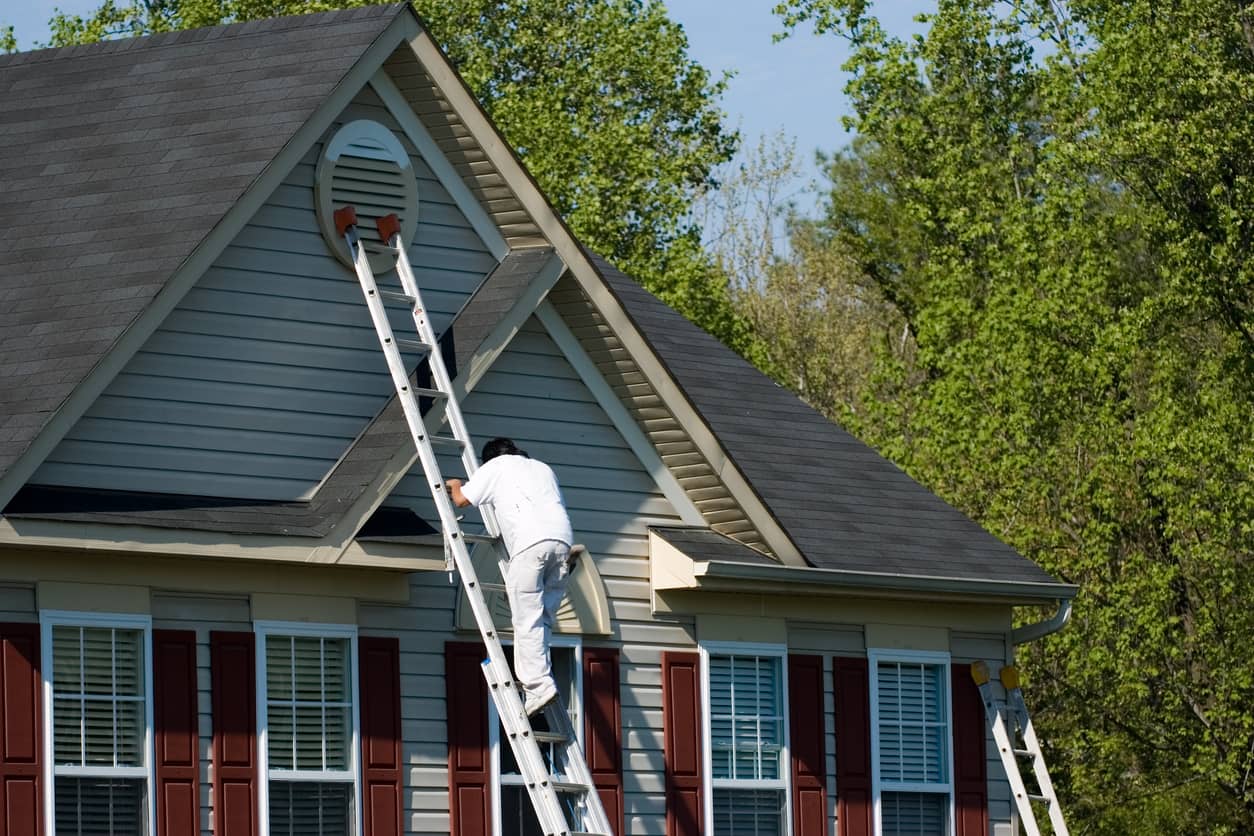
Schedule a professional roof inspection. This is the most important step. A qualified roofing professional can get up on your roof safely, assess the full extent of any damage, document everything thoroughly, and give you an honest evaluation of your options. A good inspector will also be able to provide documentation that supports your insurance claim.
Be wary of storm chasers. After a major hail event, you’ll inevitably see a surge of out-of-town roofing contractors driving through the neighborhood offering quick, cheap repairs. These companies often lack local licenses, use subpar materials, and won’t be around if problems develop later. Stick with a local, established company that knows Colorado roofing and has a reputation to uphold in the community.
Get repairs done promptly. If damage is found, don’t put off the repairs. Colorado winters are not gentle, and a compromised roof heading into snow season is asking for trouble.
Why Local Experience Matters
Colorado’s climate is genuinely unique. The combination of intense UV exposure at high altitude, dramatic temperature swings, heavy snow loads, and regular hail events means that roofing here is not the same as roofing in, say, Florida or Ohio. Local experience matters enormously when it comes to selecting the right materials, understanding how weather events affect different roofing systems, and knowing what insurance adjusters in this region look for when evaluating claims.
Not every dent and ding needs a full roof replacement, and not every “fine looking” roof is actually fine. The right roofing professional will give you an honest, thorough assessment and help you understand exactly what your roof needs, nothing more and nothing less.
Protect Your Home Before the Next Storm Hits
If it’s been a few years since your last roof inspection, or if you’ve lived through multiple Colorado hail seasons without having your roof looked at, now is a great time to be proactive. Regular inspections can catch minor wear and early-stage damage before it becomes a major issue, and they can give you valuable peace of mind heading into each storm season.
Re-Store Roofing & Painting has been serving Colorado Springs and the surrounding area for over 20 years. As a locally owned and operated company, we know this weather, we know these neighborhoods, and we know what it takes to keep Colorado roofs in fighting shape. Whether you’ve just weathered a major hail storm or simply want a professional set of eyes on your roof before the season heats up, our team is ready to help. Give Re-Store Roofing & Painting a call today to schedule your inspection and let us make sure your roof is ready for whatever Colorado throws at it next.